
Colon Cancer Screening
What You Need to Know Beyond the Commercials
There is a nationwide push to increase colon cancer screening — and that’s a good thing. Early detection saves lives. As large healthcare systems promote stool-based tests like Cologuard, it’s important for people to understand the full picture so they can make the best decision for their health.
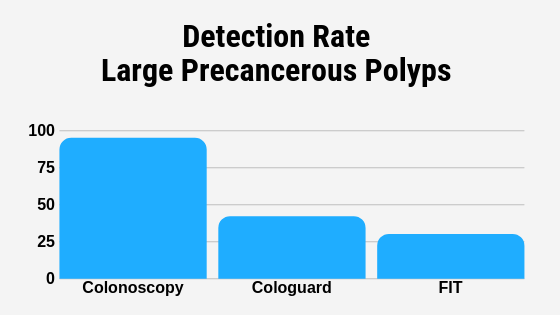
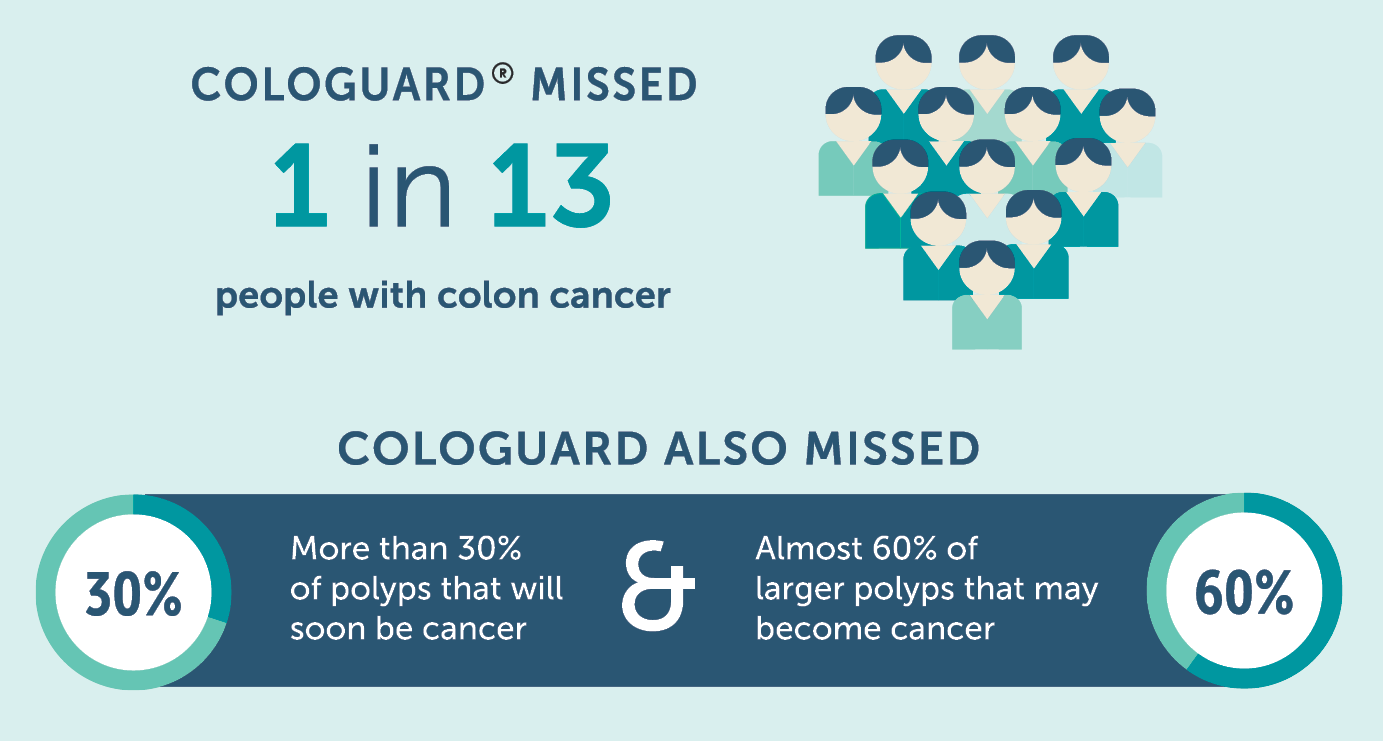
Many Cologuard commercials don’t emphasize that stool tests can miss cancers and polyps.
Dr. Pou says, “In our clinic, I have seen patients receive a false-negative stool test — meaning the test came back ‘normal’ even though cancer or advanced polyps were present. These delays can allow disease to progress from something curable with a simple colonoscopy to a condition requiring surgery, chemotherapy, or radiation.”
“Even the Cologuard manufacturer notes on their website that false-negatives do occur.”
“This applies to any stool colon cancer screening tool. Including the FIT test.”
Important Insurance Note
Once you choose a stool test like Cologuard and the result is negative, most insurance plans will not cover a colonoscopy as a preventive screening if you later change your mind. Instead, it is usually billed as a diagnostic colonoscopy — which may come with deductibles or out-of-pocket costs.
This surprises many patients.
Key Facts About Cologuard
Cologuard spends millions of dollars advertising the convenience of its colon cancer screening product on TV. While the commercials are entertaining and eye-catching, they gloss over critical details that every patient should understand.
1. Cologuard is not a substitute for colonoscopy.
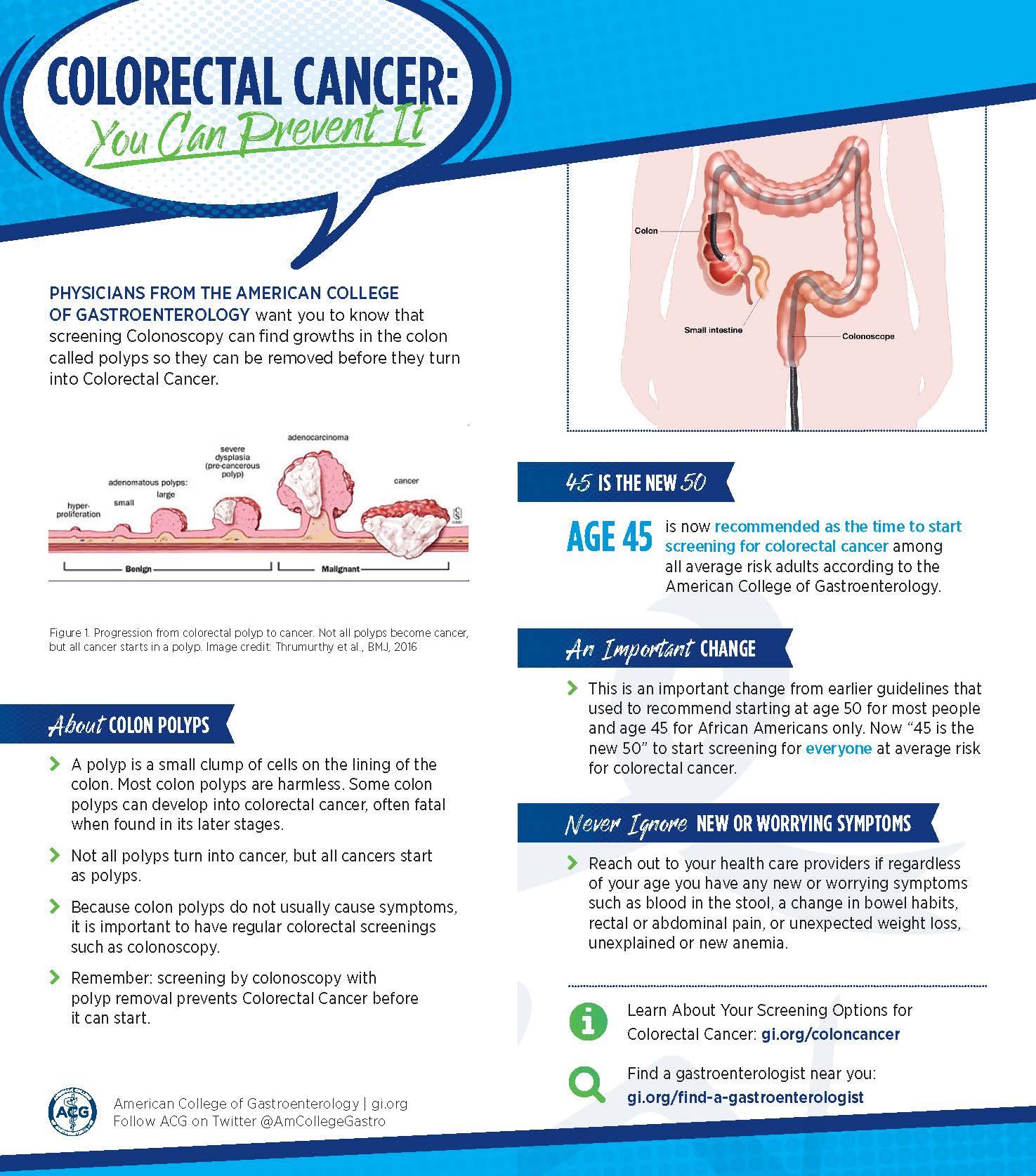
Colonoscopy is a preventative procedure that removes benign, precancerous polyps before they become cancerous, effectively stopping cancer in its tracks at any age. Cologuard does not remove polyps however; it only detects potential signs of cancer.
2. False positives and false negatives can occur.
- A negative Cologuard test does not confirm the absence of cancer or polyps. This may provide a false sense of security to patients. Patients may still have large polyps, small aggressive polyps, or even early-stage cancer despite a negative result. By the time the patient undergoes another screening, these polyps could progress into advanced cancer, requiring costly and invasive treatments such as chemotherapy, surgery, and hospitalization. Unfortunately, we have seen this happen in clinical practice.
- A positive Cologuard test does not confirm the presence of cancer. Instead, it necessitates a follow-up colonoscopy. Complicating matters, insurance may not always cover the colonoscopy, as some companies consider it a follow-up to an already-paid screening. While insurance rules are supposed to protect patients in these cases, coverage inconsistencies and appeal difficulties remain common.
3. There is ambiguity in positive results.
Cologuard combines two testing methods: one for occult blood and another for DNA markers. A positive result does not specify which test triggered the result, leaving the true cause unclear.
4. True positives often come too late.
By the time Cologuard detects cancer or advanced polyps, “the horse may already be out of the barn,” complicating treatment and increasing costs.
Cologuard Is Not Suitable for Everyone
Cologuard should not be used by patients with:
- A history of adenomas (polyps)
- Inflammatory bowel disease
- Certain hereditary syndromes
- Personal or family history of colorectal cancer
Cologuard is also not evaluated for repeat testing, which raises questions about its long-term reliability.
Colonoscopy: The Gold Standard
While Cologuard and stool tests are better than doing nothing, they are not substitutes for a high-quality colonoscopy.
Colonoscopy remains the gold standard in preventing colorectal cancer.
- Highest accuracy of any screening test
- Detects and removes precancerous polyps in the same procedure
- Actually prevents cancer, not just detects it
If your primary care provider suggests Cologuard as the first option or due to delays in scheduling a colonoscopy, consider requesting a referral to a clinic that performs high-quality colonoscopies, a clinic such as Shenandoah Valley Gastroenterology Center. You have the right to choose the best care.

The Bottom Line
Stool tests can be useful in certain situations, but they are not a substitute for colonoscopy when the goal is the most accurate approach with preventative measures.
Cologuard is not a replacement for colonoscopy. Patients with a positive Cologuard result should always seek a follow-up colonoscopy. A negative Cologuard result may provide a false sense of security.
Colorectal cancer is now the leading cause of cancer-related deaths among men under 50 and the second most common among women in that age group.
If you are 45 or older — or have a personal/family history of polyps — speak with a gastroenterologist about the screening method that gives you the best protection.
A report published by the American Cancer Society in January suggests that rates of colorectal cancer are rising rapidly among people in their 20s, 30s and 40s.
Colon cancer is one of the most preventable cancers we have. Choose accuracy and prevention, not just convenience.
If you are unsure about your options or have concerns about a stool test versus a colonoscopy, consult with a trusted gastroenterology practice like Dr. Pou at Shenandoah Valley Gastroenterology for expert guidance.
Feel free to share this message to help others stay informed and protected.
LEARN MORE
What Do The Experts Say?
U.S. Preventive Services Task Force (USPSTF)
The U.S. Preventive Services Task Force (the USPSTF sets national screening guidelines) states clearly that stool DNA tests like Cologuard:
- Have lower sensitivity than colonoscopy
- Can produce false negatives
- Must be repeated more frequently
- Require a colonoscopy if positive
USPSTF explicitly states colonoscopy is the definitive test.
American College of Gastroenterology (ACG)
The ACG’s published Guideline on Colorectal Cancer Screening states:
- Stool tests “may miss advanced adenomas”
- Colonoscopy is the preferred test for accuracy
- Colonoscopy is the only test that both detects and removes polyps
ACG is very clear that stool tests are an alternative only for patients who decline colonoscopy.
American Cancer Society (ACS)
The American Cancer Society publicly states:
- Stool tests like Cologuard “can miss some cancers and many polyps”
- Colonoscopy remains the gold standard with the highest detection rate
Mayo Clinic (developer of Cologuard)
Even the Mayo Clinic’s patient information notes:
- Cologuard carries the risk of false-negative results
- A negative Cologuard does not rule out cancer
The Mayo Clinic openly acknowledges the limitation.
New England Journal of Medicine (NEJM)
Peer-reviewed New England Journal of Medicine studies of multi-target stool DNA testing report:
- There are false-negative rates for cancer
- There are a significant number of false-negative rates for advanced precancerous polyps
- The stool test has a lower sensitivity than colonoscopy across all lesion categories
The New England Journal of Medicine concludes that colonoscopy is still the most accurate.
American Society for Gastrointestinal Endoscopy (ASGE)
The American Society for Gastrointestinal Endoscopy emphasizes:
- Stool tests cannot detect polyps directly
- A negative stool test may provide false reassurance
- Colonoscopy is the only test that can prevent colon cancer
National Comprehensive Cancer Network (NCCN)
The National Comprehensive Cancer Network guidelines reiterate:
- Stool tests are acceptable but “inferior in sensitivity”
- Colonoscopy is the preferred method for high-quality screening
Shenandoah Valley Gastroenterology Center
If you are unsure about your options or have concerns about a stool test versus a colonoscopy, consult Dr. Pou for expert guidance.